Oklo

About
Oklo is developing fast fission power plants and the technologies needed to support a complete nuclear energy lifecycle including reactor design, fuel fabrication, recycling technologies, and isotope production. Its first powerhouse project, Aurora-INL, is being developed at Idaho National Laboratory using fuel supplied by the U.S. Department of Energy. Oklo brings together nuclear engineering, advanced manufacturing, and operational expertise to build scalable energy systems.
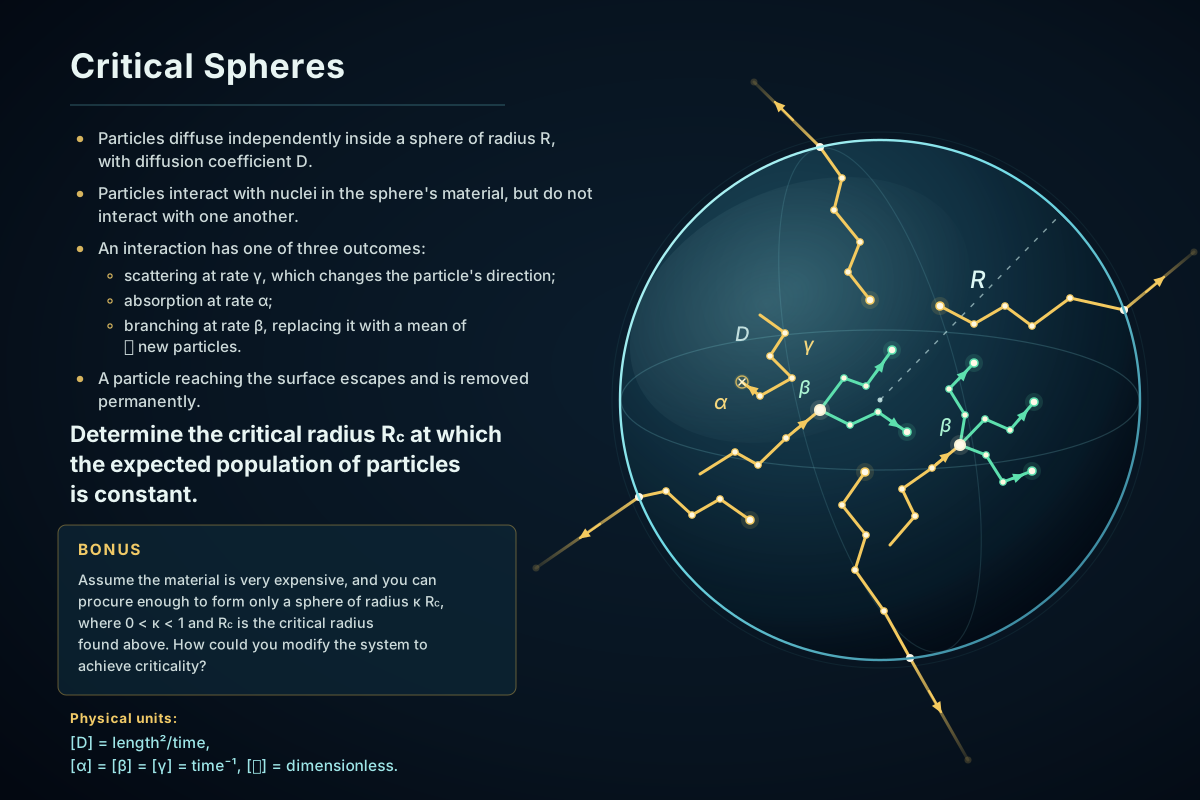
A challenge for the 3Blue1Brown audience
Featured work
Groves Isotope Test Reactor
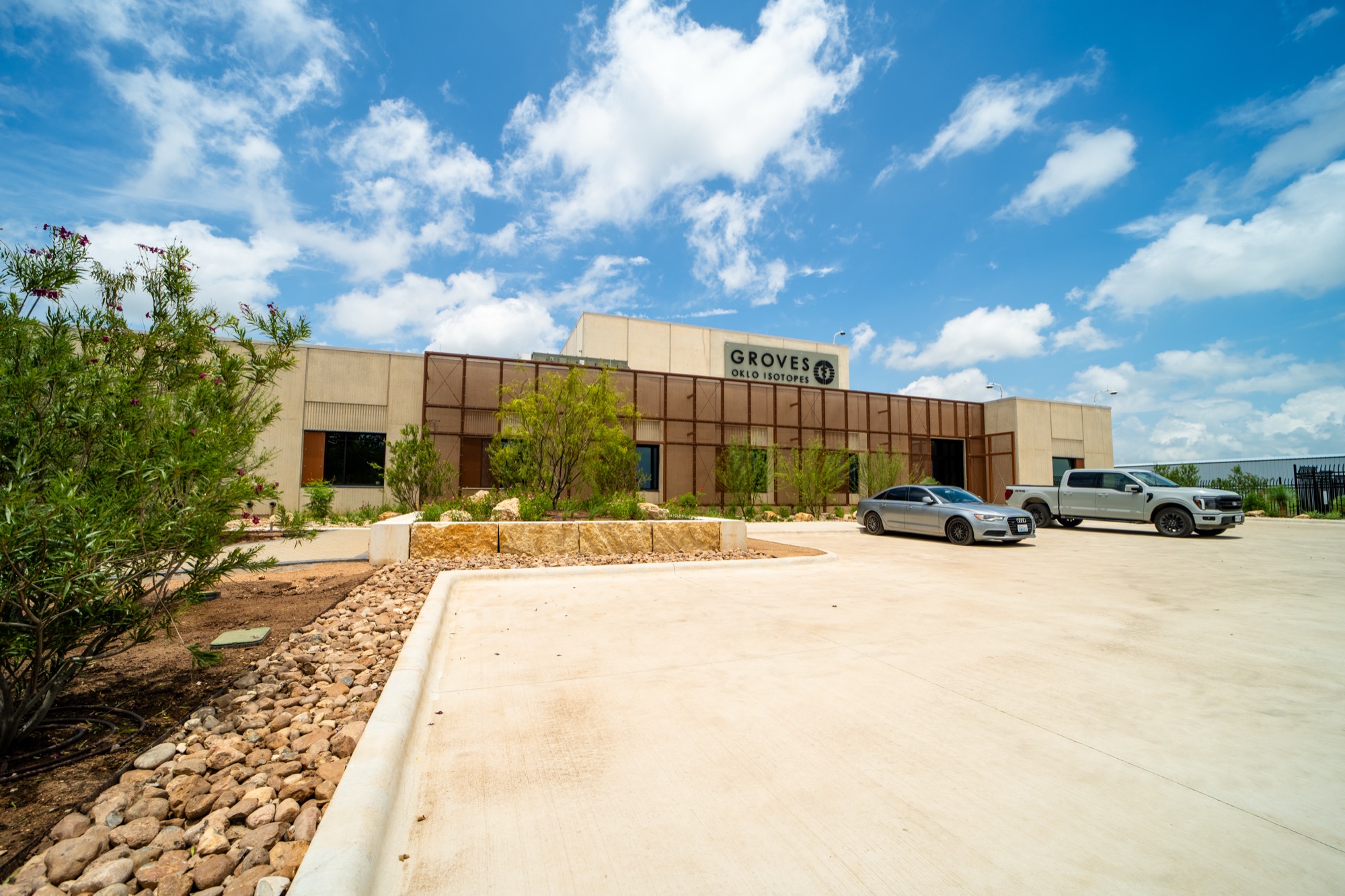
Groves, part of Oklo Isotopes' broader effort to build domestic isotope production capabilities for healthcare, industry, research, space, and national security applications, has generated practical experience in project engineering, construction, procurement, reactor operations, startup procedures, safety readiness, training, qualification work, and deployment execution that can inform future isotope production facilities.
Learn moreAurora-INL
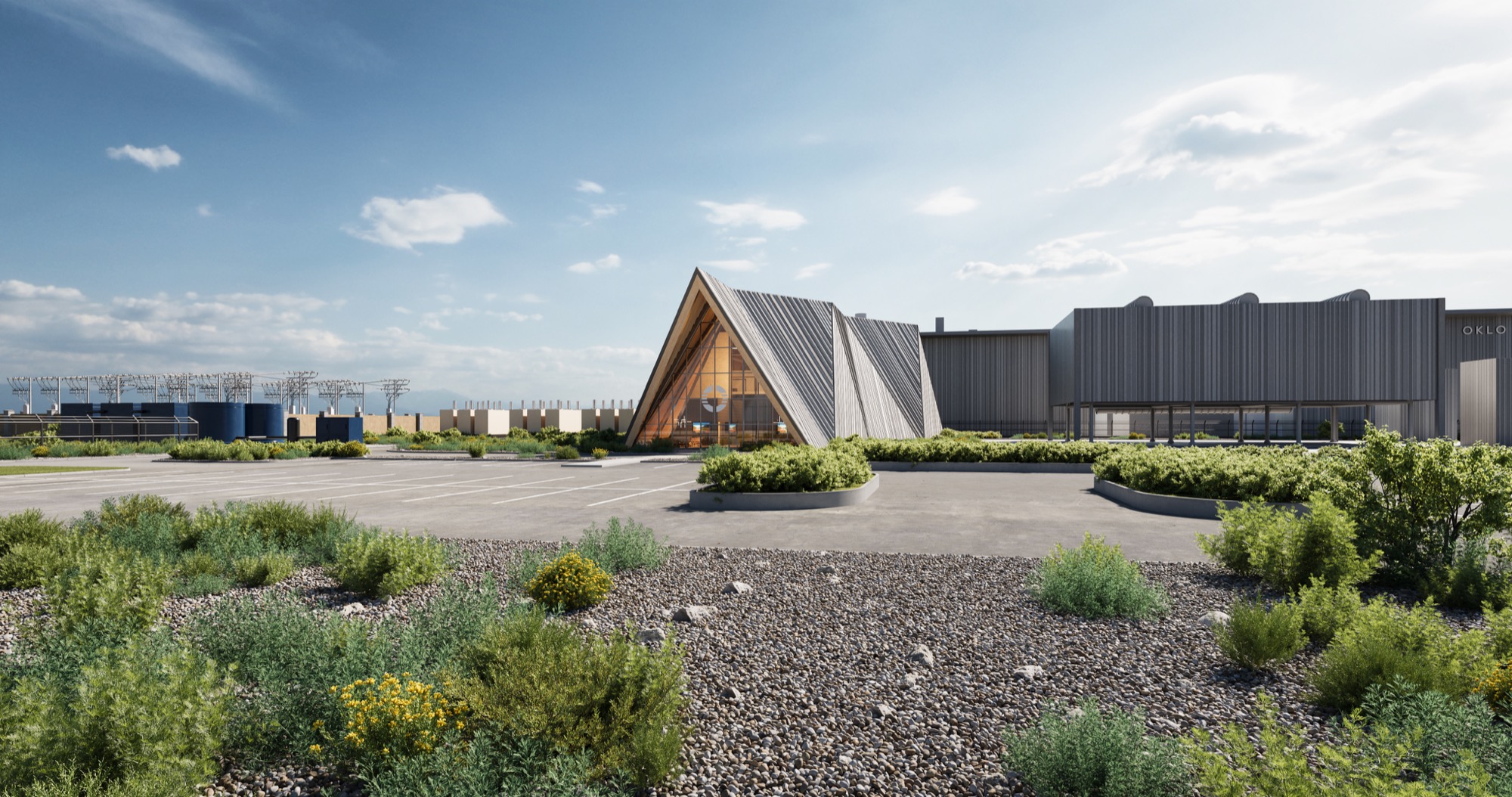
The Aurora powerhouse under construction at Idaho National Laboratory (INL) is a sodium-cooled fast reactor designed to deliver up to 75 MWe and use metal fuel while building on the design and operating heritage of the Experimental Breeder Reactor-II, which ran in Idaho from 1964 to 1994.
Learn moreAdvanced Fuel Center
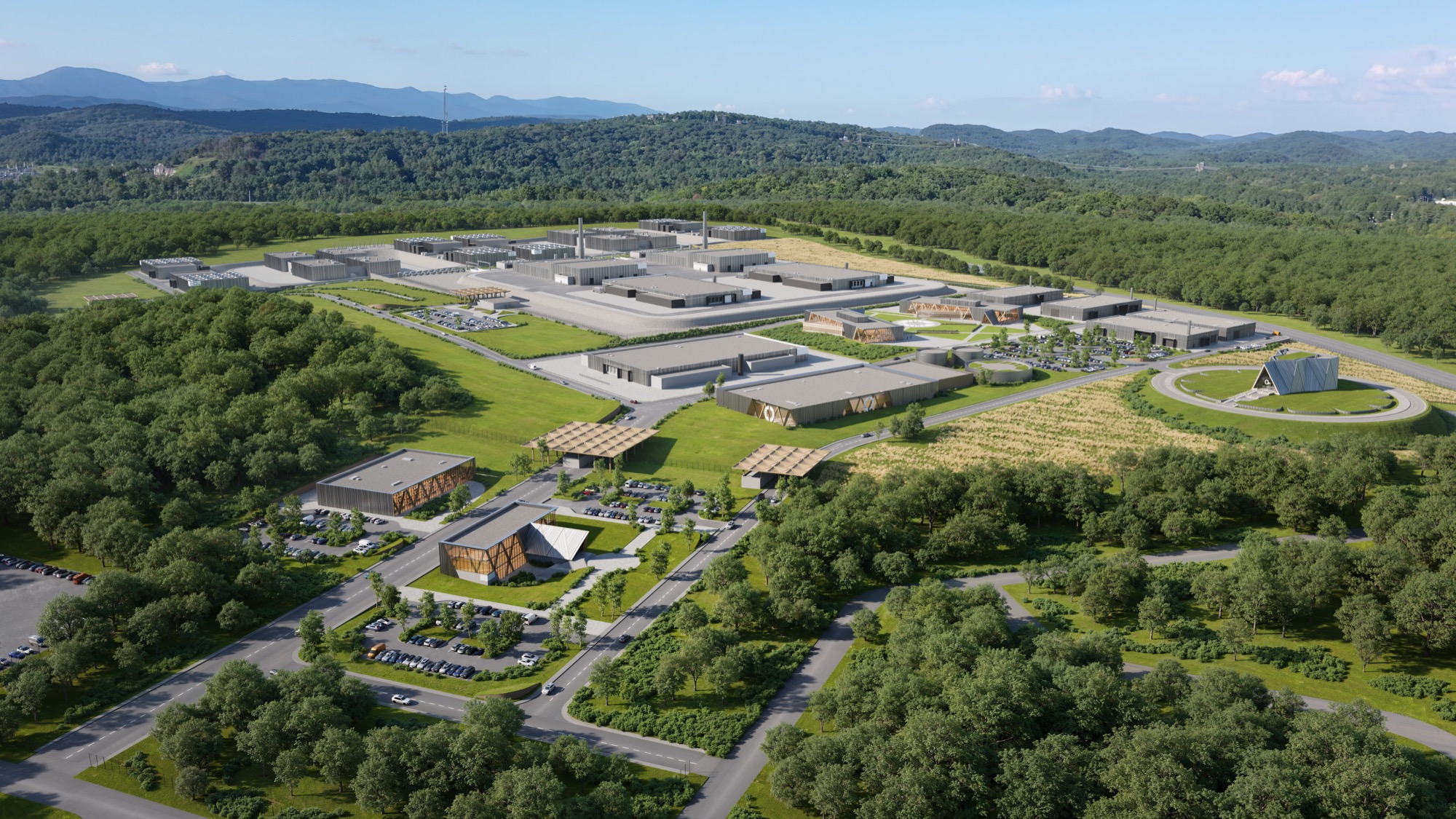
Oklo is developing its Advanced Fuel Center in Oak Ridge, Tennessee, to advance domestic capabilities in nuclear fuel fabrication and used nuclear fuel recycling and will support the development of next-generation fuel technologies.
Learn moreWhat our team says
Working on designing and deploying a first-of-a-kind advanced nuclear power plant is incredibly rewarding. Our team is mission-driven and extremely motivated, and I love that I get to work alongside smart engineers to transform spent nuclear fuel into carbon-free power. There has never been a more exciting time to work in the space, and that excitement permeates down into the entire Oklo engineering organization!
— Isaac Dabkowski, Core Design
Working at Oklo, you have a clear sense that you are part of an ambitious but achievable effort to build the future of energy. The company is bringing together nuclear power, fuel, and isotope capabilities while applying modern technology to some of the biggest challenges in the nuclear industry. What stands out about Oklo's culture is the combination of technical depth and collaboration. People are focused on delivering their work, but they are always willing to jump in and help solve problems across teams.
— Paul Day, Media Team
I came to Oklo because I want to see new reactors built in the U.S. It's an incredible experience to feel the pace of progress firsthand and see our contributions make a real impact. The work itself is exciting and meaningful, but what really makes Oklo special is the people. I get to work alongside passionate, brilliant coworkers who care deeply about what they do, from software to fabrication to operation.
— Allison Kubo, Fuel Performance Engineer
I joined Oklo because I absolutely love its strategic mission to harness the immense energy in existing used nuclear fuel in the most optimal way possible to provide clean, reliable, abundant energy while simultaneously reducing the amount of highly radioactive waste requiring permanent disposal. The fact that everyone here at Oklo similarly believes in (and is excited about) Oklo's mission and enthusiastically works to achieve it simply fuels my passion to make this a reality.
— Christina Leggett, Fuel Recycling
Message from Grant
For a long time, I've wanted a renaissance in nuclear power, and it feels like it may finally be happening. For many decades, the space has seen a lot of innovation making reactors safer and more efficient, but because we essentially stopped bringing new reactors online (in the US at least), there's been a frustrating gap between what's been shown in labs or one-off government test reactors, and what exists in practice.
To take just one example of an obvious win from more advanced reactor designs, consider the ability to recycle spent fuel, either from other reactors or from the reactor itself. There are multiple approaches here, some of which have genuine on-the-grid precedent, so it's not blue-sky research. The design Oklo is pursuing involves pyroprocessing/electrorefining, producing a mixed uranium/transuranic metal fuel, as part of a longer-term vision of a more fully closed-system design with many reuses of the same fuel.
This approach relies on a reactor that runs on fast neutrons, ones that haven't been slowed down by a moderator, the way they are in a conventional reactor. Running fast also means the reactor can draw energy from uranium-238, which makes up 99.3% of natural uranium and which a conventional reactor can't really use, and it can burn up long-lived radioactive byproducts that would otherwise need to be safely stored for a very long time. Fast reactors are not without their challenges, but that's part of what makes the work of bringing them online feel more substantive. And again, it's not actually new or untested; the technology is proven out.
Another category of obvious wins for more advanced designs is passive safety mechanisms, i.e. systems where fission stops by default if power is cut. The way this works with fast reactors is actually pretty clever, relying on how the fuel (a solid metal alloy) expands when it heats up. This spreads the fissile material out just enough that each fission event becomes slightly less likely to trigger another one. This was tested in 1986: engineers deliberately simulated a total loss of cooling and control on an experimental reactor, and it just quietly shut itself down.
As to Oklo itself, it takes about 5 minutes of chatting with anyone there to see how genuinely passionate they are about their mission (see the interview). The people there respect one another, and speak highly of other teams, and you get the impression that everyone feels like their in a shared boat enthusiastically rowing in the same direction.